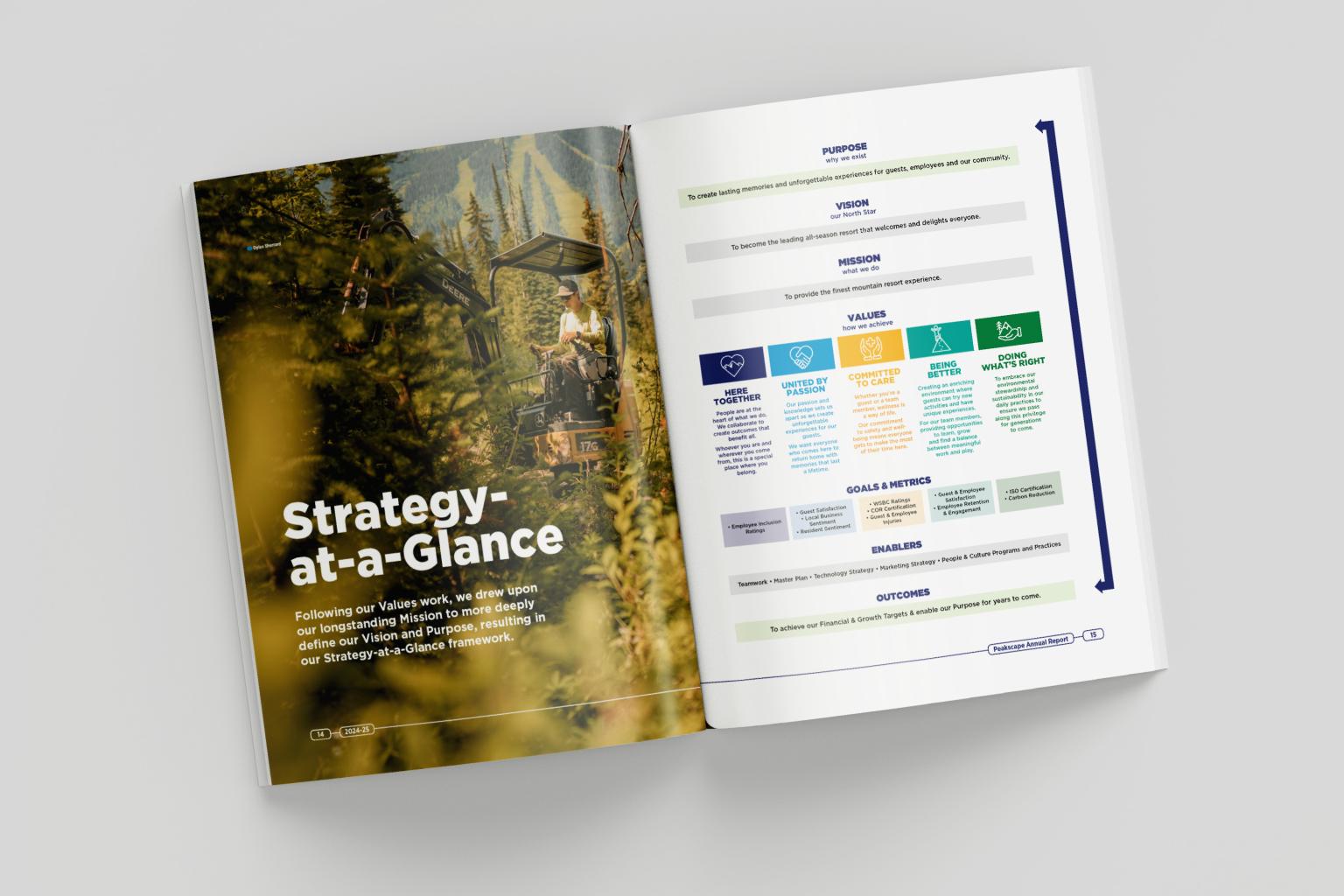
Welcome to our online Sustainability Hub. Here we share the ways in which we live out our commitment to the natural environment, an approach that has been part of our management philosophy since the founding of Sun Peaks Resort in the early 1990s. This commitment is formally reflected in one of our core company values: Doing What’s Right.
Sun Peaks Resort’s Sustainability Hub outlines the resort’s environmental practices, sustainability targets, operational initiatives and ISO 14001:2015-certified environmental management system. The page highlights actions related to energy efficiency, waste diversion, water conservation, ecosystem stewardship and emissions awareness across resort and hotel operations.
Doing What’s Right means that we embrace environmental stewardship and sustainability in our daily practices to help ensure we pass along the privilege of enjoying this special space for generations to come. Our decisions are grounded in a structured, long-term approach through our use of and certification under the ISO 14001:2015 Environmental Management System, a system we’re proud to have been a part of since 2005.
As modern stewards of this land, it’s the responsibility of everyone who lives, works and plays here to proactively take steps to minimize impacts.
This information hub serves as a centralized reference for our sustainable resort operations, environmental practices, accomplishments and targets across our resort and hotel operations organization (Sun Peaks Resort and Sun Peaks Grand Hotel & Conference Centre). It highlights actions related to energy efficiency, waste diversion, water conservation, ecosystem stewardship and emissions awareness, while providing clear information about how we govern, prioritize and continuously improve our sustainability efforts.
ISO 14001:2015 Certified
ISO 14001:2015 Environmental Management System
As a leader in protecting the environment, Sun Peaks Resort has operated with certification under ISO 14001:2015 Environmental Management System (EMS) since 2005. We were the first mountain resort in North America to be certified under what remains one of the world’s most recognized EMS standards.
This EMS provides a formal framework for our teams to:
Identify, manage, and reduce adverse environmental impacts
Establish and review short- and long-term objectives and targets
Monitor performance and compliance obligations
Support continuous improvement across all departments
Employees and contractors are trained to incorporate our EMS into all applicable operational aspects. Environmental management is fully integrated into our operational planning and our practices are subject to regular internal and external audits to maintain certification.
Sustainability Targets
Our targets are established and reviewed by our Executive team, Leadership team, and EMS committee members, through our annual EMS planning cycle. These targets reflect areas of focus and continuous improvement and may evolve over time. Current target areas include:
Reducing Scope 1 and 2 carbon emissions intensity per guest visit.
Increasing organic waste diversion from landfills. Completing ecosystem restoration projects to enhance biodiversity or support natural regeneration.
Lowering water consumption per skier visit, with a long-term goal of reducing overall use. Training 100% of employees on sustainability achievements and goals.
Increasing guest awareness of sustainability efforts.
2026 Sustainability Priorities
Priority initiatives are identified annually through the EMS review process. These represent areas of focused effort within the current operating cycle. In 2026, we are actively working on:
Advancing waste diversion practices
Improving energy efficiency in key facilities
Enhancing water conservation measures
Supporting responsible land use practices
Sustainability Governance and Review
Our environmental performance is reviewed through a structured process aligned with ISO 14001:2015. We operate under the framework of:
Cross-departmental collaboration and coordination
Ongoing performance monitoring against targets
Internal audits and compliance tracking
External audits to maintain ISO certification
Leadership oversight of environmental priorities
An established EMS Committee meets throughout the year to review projects and targets, discuss new initiatives, and champion existing and new ideas across the business.
Our Sustainability Timeline
Take a journey through time of our key sustainability achievement and practices.
2026
Implemented an organic waste diversion program at the Sun Peaks Grand, diverting food waste from landfill through commercial composting.
Transitioned Summer 2026 Bike Park and hiking trail maps to durable, tree-free rock paper.
2025
Partners with GreenStep to establish a carbon emissions report and baseline, and audit of sustainability practices.
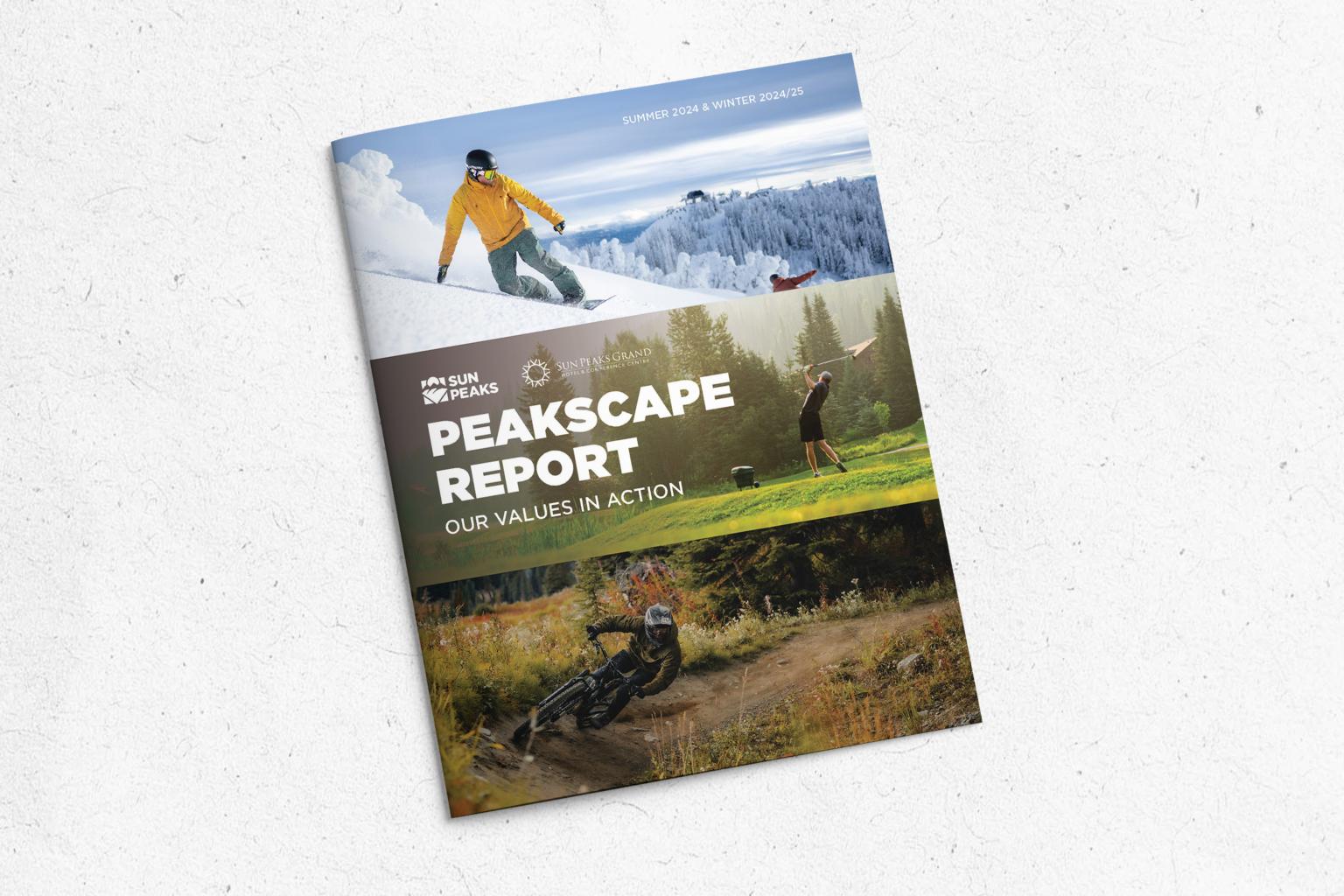
Publishes the first ever Peakscape Report, a detailed showcase of Sun Peaks Resort and the Sun Peaks Grand’s core values at work.
2024
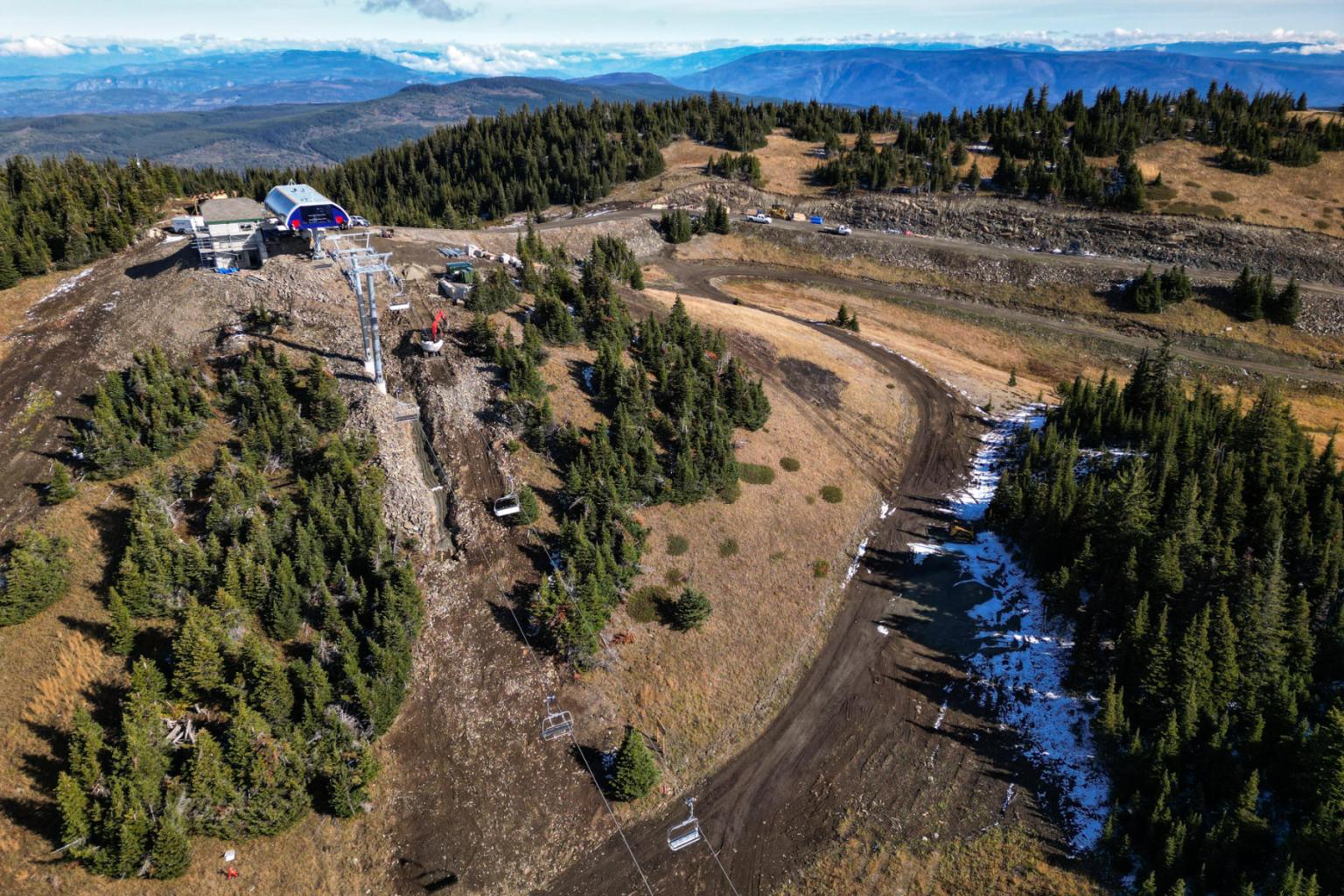
Replaces diesel-powered, alpine surface lift with new electric West Bowl Express lift.
Installs water dispensers that track the number of plastic bottles saved.
2023
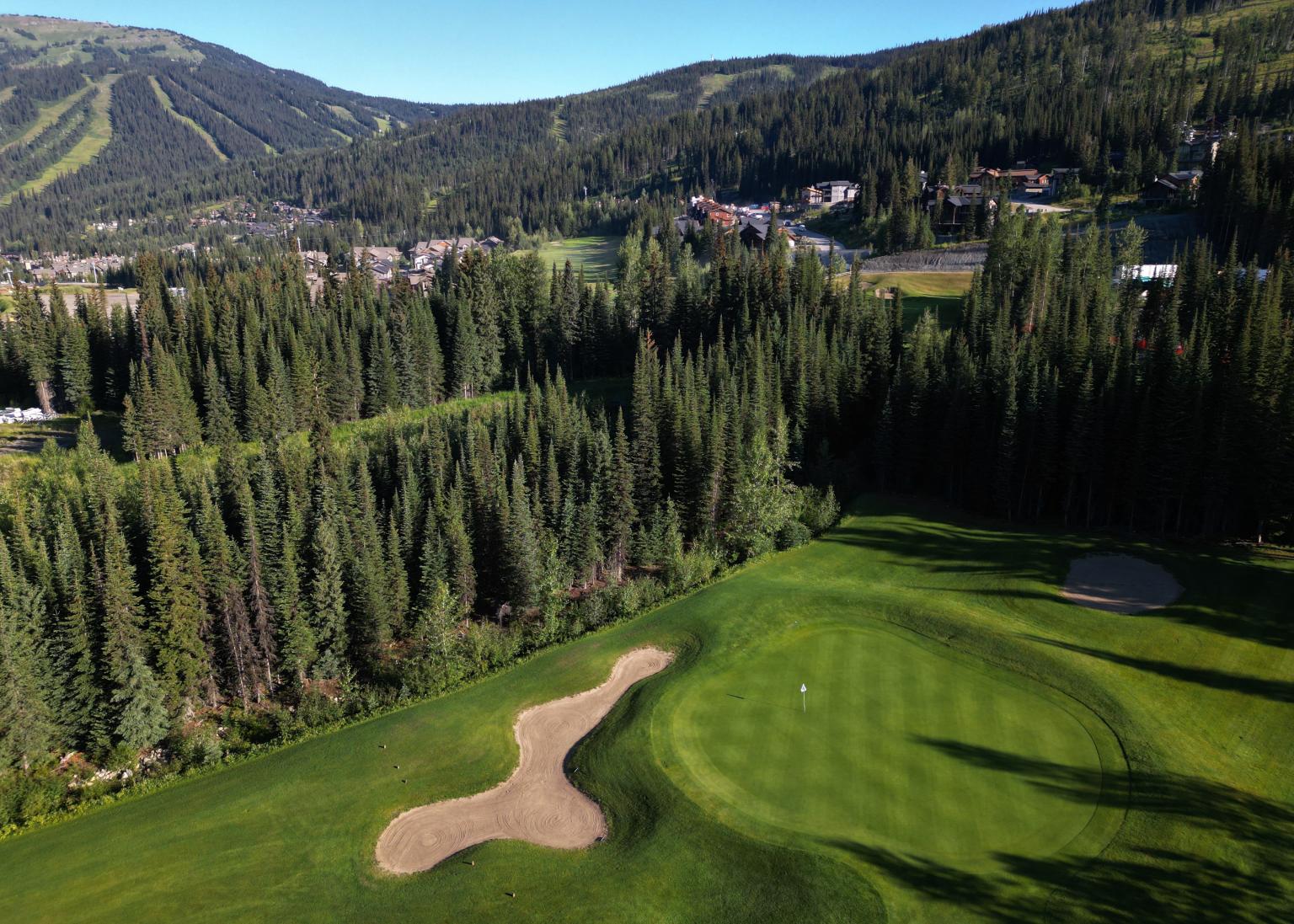
Reduces overall water consumption by the Golf Course by 36% through use of digital moisture meters and water-retaining chemistries.
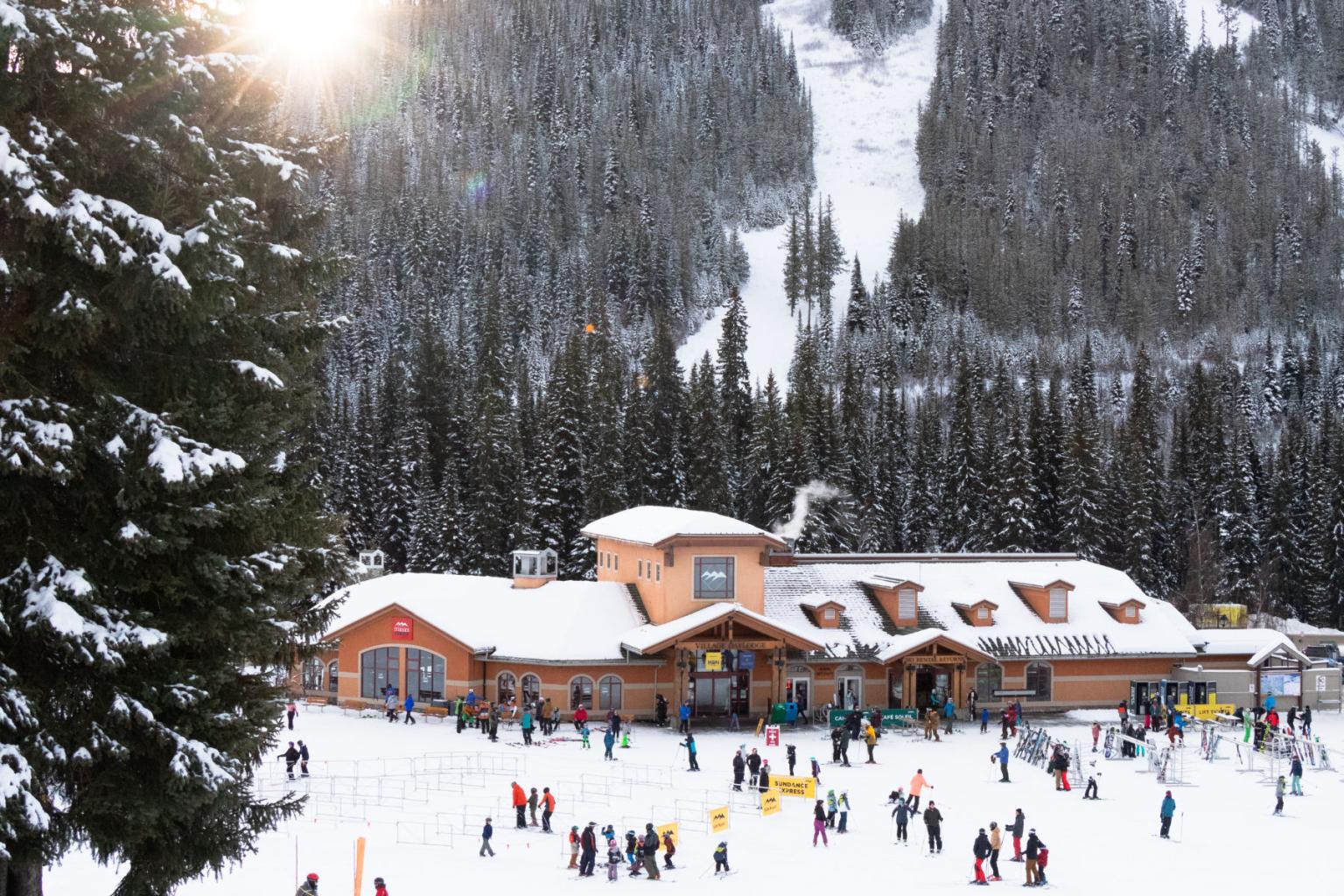
Installs the first water bottle refill station, in the Village Day Lodge.
2022
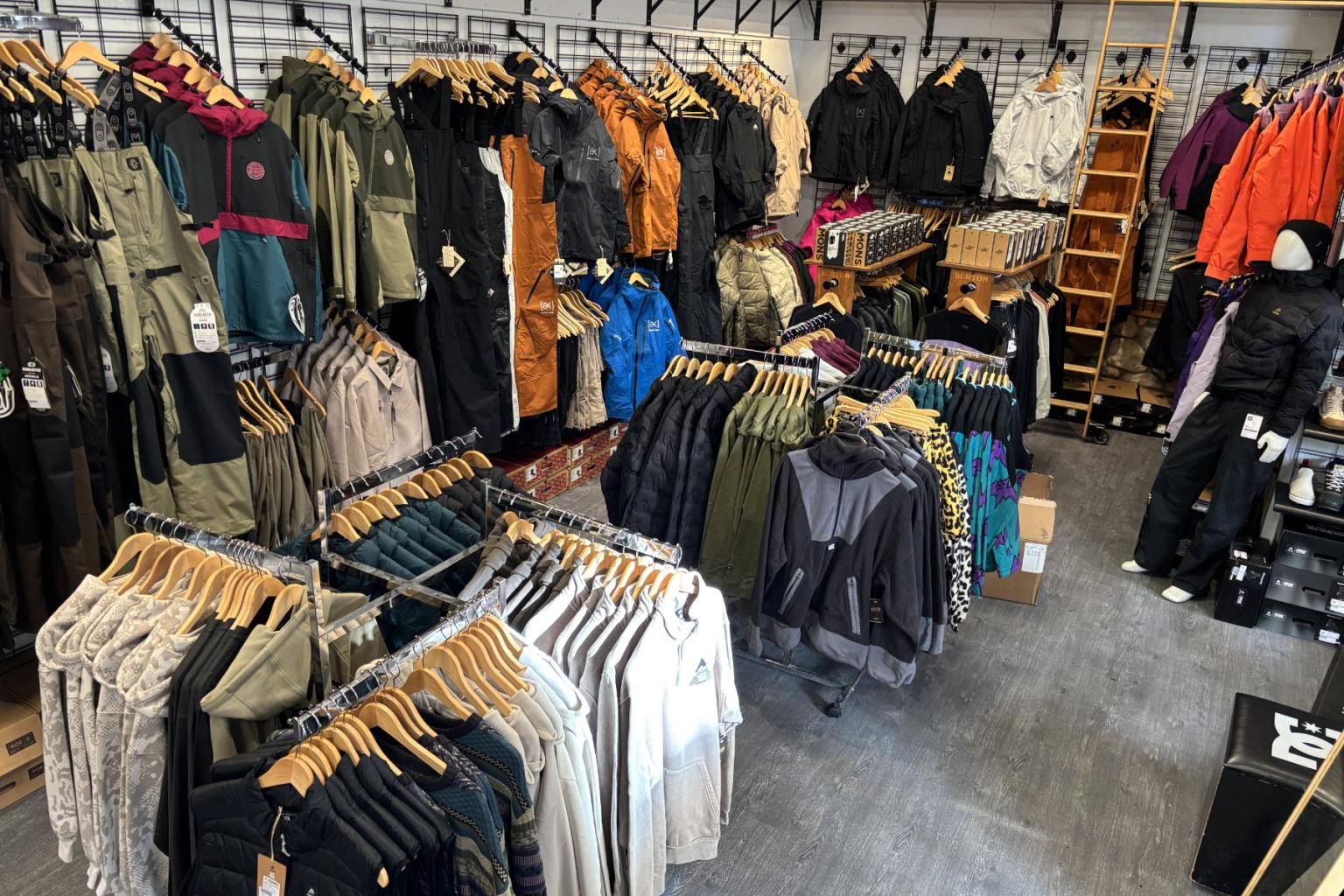
Ceases use of plastic bags with purchase in retail operations.
2020
Removes all single-use plastics from food and beverage operations (e.g., straws, cups, lids, cutlery).
Replaces diesel-powered Crystal Chairlift with a new electric lift.
Guest waivers transitioned from print to digital format.
2019
Replaces three pickup trucks with smaller engine side-by-sides to reduce fuel consumption.
2018
Installs computer-controlled fuel filling system for better tracking and efficiency.
2017
Integrates Edge Auditor program in snowcats to monitor idling and operator efficiency.
Begins company-wide transition to LED lighting.
2016
Repurposes snowcat track belting for drainage control (water bars) on mountain roads.
2015
Commences tracking of CO2 emissions.
Donates or sells winter uniforms in good condition.
Successfully transitions to ISO 14001:2015 standard.
2014
Begins transition to a paperless organization.
2013
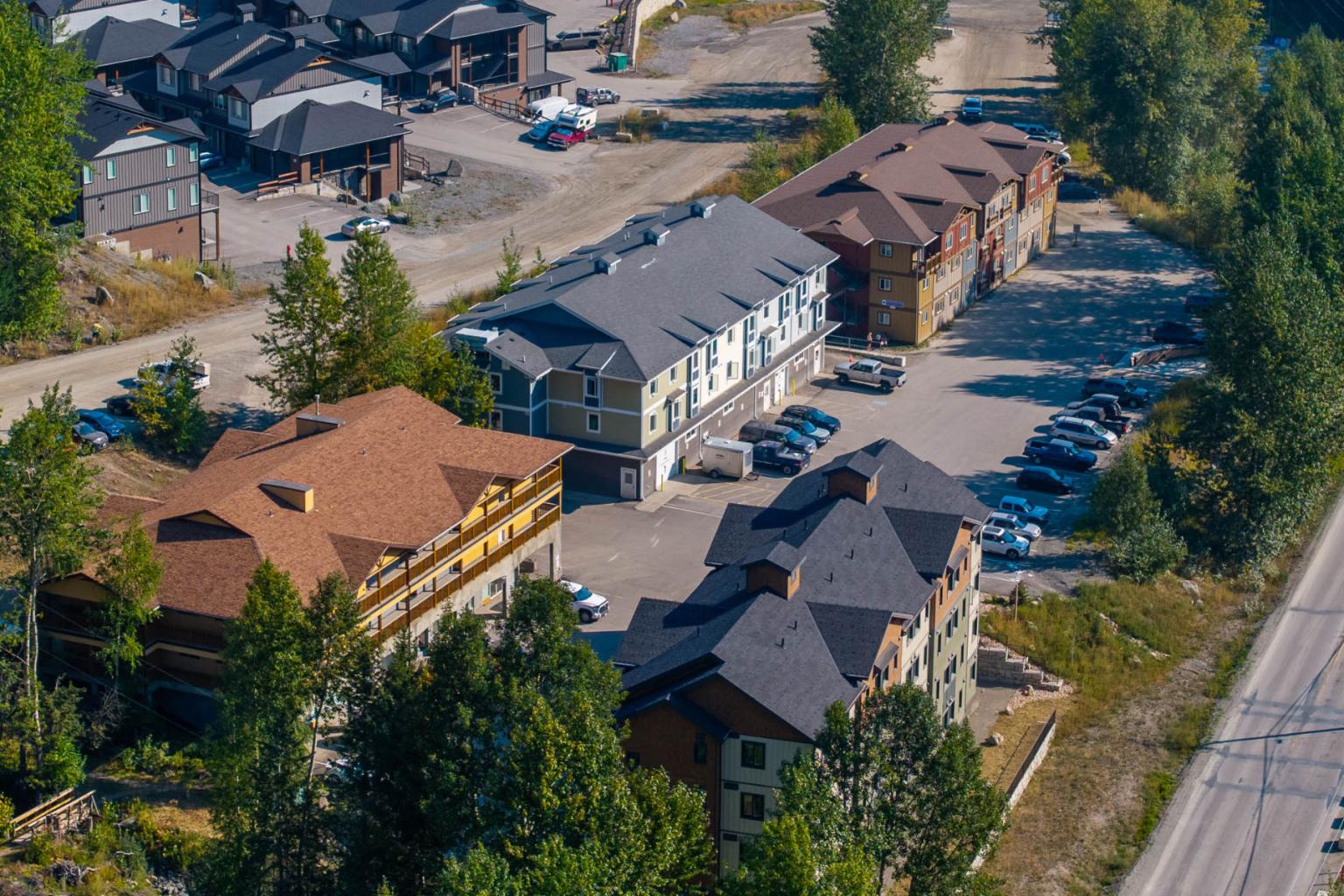
Installs recycling facilities in staff accommodation buildings.
2012
Orders fertilizer in 1,000kg bags, eliminating 300 individual 25kg plastic bags to reduce plastic waste.
Reduces phosphorus use in fertilizer applications on fairways and rough.
2011
Installs hands-free taps to reduce water consumption.
Introduces hand dryers to reduce paper towel usage.
Begins using FSC-certified, post-consumer recycled paper.
2010
Switches to 70% recycled-content bathroom tissue and paper towels.
Eliminates disposable containers for staff; provides reusable cups.
Discontinues use of Styrofoam in food and beverage outlets.
2008
Installs bear-proof waste bins at strategic locations.
Constructs a dedicated hazardous materials storage facility.
Recycles 100% of acceptable cardboard materials.
2005
Achieves ISO 14001 certification.
Introduces electric golf carts to the resort fleet.
1995
All resort buildings are outfitted with hands-free, low-flow bathroom and kitchen fixtures.
Selective logging of beetle-affected timber begins - important part of our forest health program as well as wildfire mitigation
1994
First community in North America to mandate low-volume (six-litre) toilets and fixtures.
Sustainability Operational Initiatives
Resource Management
Water
Snowmaking system is primarily gravity-fed and designed for efficient water use; new automations added in 2025 improve operational efficiency
Monitoring of water withdrawal and usage
Consideration of watershed impacts in operational planning
No drawing of water from McGillivray Creek
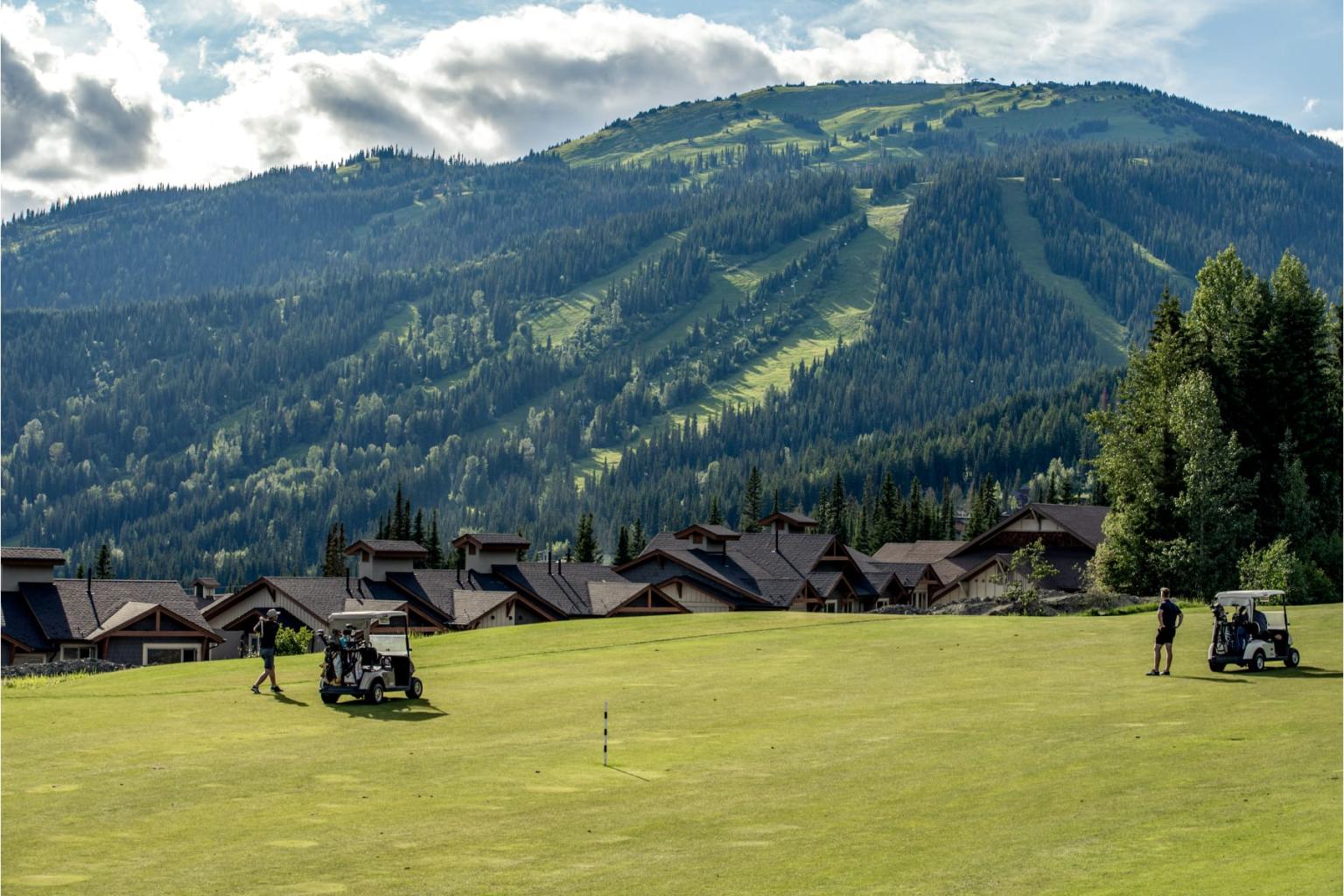
Use of storage ponds for golf course irrigation, drawing from residential drainage and filtered through the turf’s thatch and root system
Spot watering on golf course and reduced irrigation in low-priority areas when water is less abundant
Energy
Energy efficiency improvements in buildings and infrastructure
Ongoing monitoring of energy use
Operational adjustments to reduce unnecessary consumption
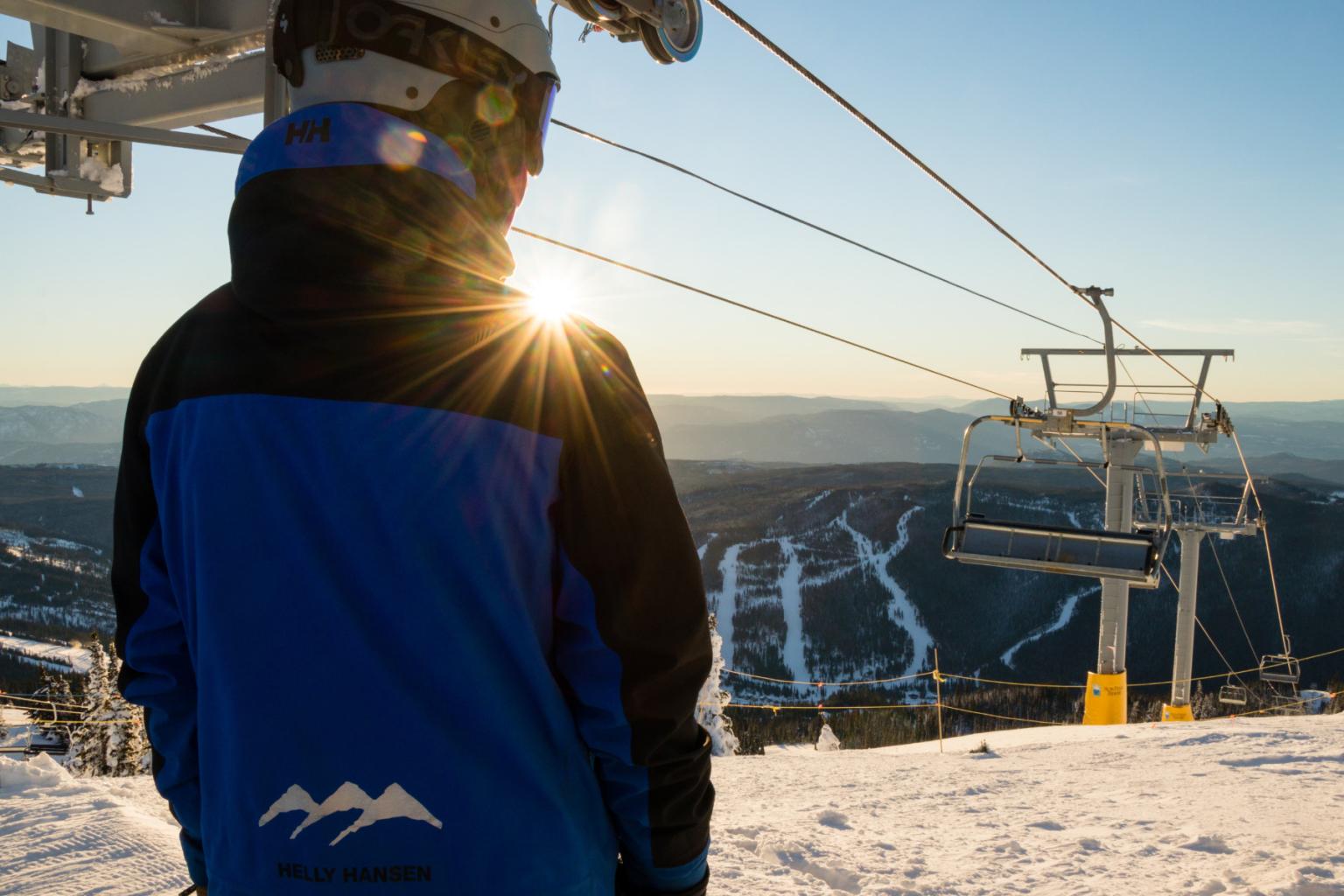
All Sun Peaks lifts run on hydro-powered electricity
Use of hydro power to minimize the impact of resort operations on the climate and environment
Geothermal heating is used in an increasing number of resort facilities, including golf maintenance
Where possible, new buildings will have a geothermal heat source
Active participation in the BC Hydro Power Smart program
Recipient of a BC Hydro award for outstanding energy efficiency
Waste and Materials
Resort-wide recycling programs
Enhanced waste sorting and diversion practices, increasing recycling and organic waste diversion from landfill
Elimination of most single-use materials
Ongoing evaluation of waste streams
Recycling of e-waste, including computers, monitors, mobile phones, printers and fax machines, through Encorp Pacific, Return-It program.
Recycling of aluminum, steel, tires, engine oil, antifreeze, varsol, contaminated fuel, oil and fuel filters, hydraulic fluid and industrial containers
Toilet paper and paper towels made from 100% recycled material
Land and Ecosystems
Environmental considerations in trail design and development
Erosion control and vegetation management, including slope stabilization
Protection of sensitive habitats where identified
Use of environmental expertise where required
Use of the Integrated Pest Management guidelines for fertilizer and pesticide application
Although fertilizers, pesticides, and soil amendments are used on the Sun Peaks Resort Golf Course, a variety of techniques are used to minimize the impact on the eco-system
Soil testing conducted to pinpoint fertility concerns and identify fungal diseases, reducing unnecessary use of pesticides and fertilizers
The application of all products follows label requirements, using modern and specialized equipment.
Organic, amino acid, micronutrient, and synthetic applications are used to fertilize.
When applying herbicides spot treatments are used.
Grass clippings are mowed back into the turf to decrease the amount of topical nitrogen required.
Soil amendments used to improve the soil’s physical properties, including water retention, permeability, water infiltration, drainage, aeration and structure, resulting in increased root system health and reduced fertilizer requirements
Mechanical methods such as brushing, rolling, vertical cutting and aeration used to reduce weed and disease infestations and improve plant health
Air and Emissions
Monitoring of fuel use across operations
Consideration of equipment and fleet efficiency over time
Inclusion of emissions awareness in operational planning
Purposeful village design minimizes the need for vehicle travel
Valley Trail Network encourages walking and cycling
Piped distribution system for clean-burning propane gas, reducing heavy truck movement
Snowmobiles are all four-stroke, for better efficiency and reduced exhaust emissions
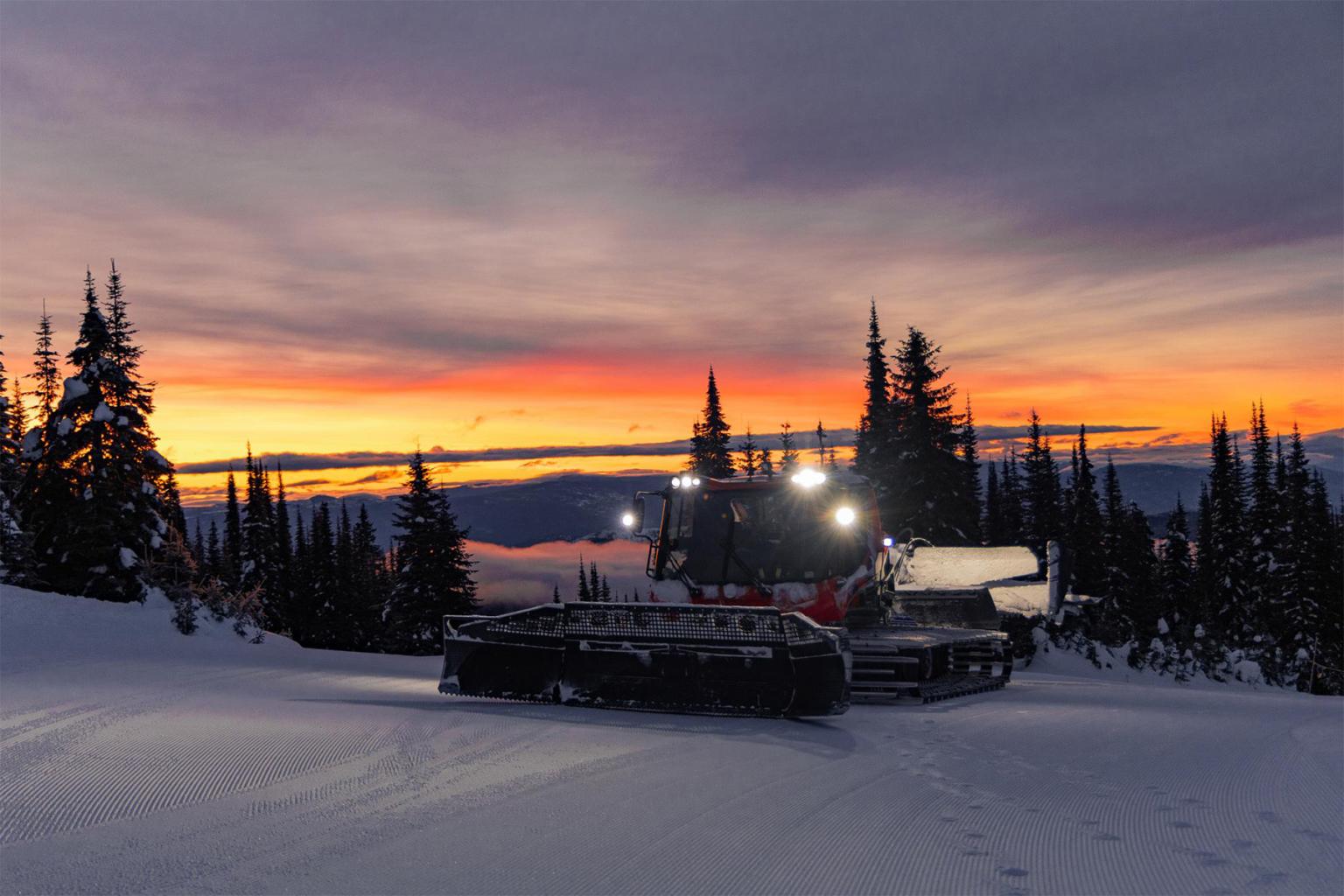
Modern fleet of snow-grooming machines and use of technology for efficient grooming operations
Additional Practices and Items of Note
Staff engagement in environmental practices
Promotion of environmental awareness and stewardship internally and externally.
Identification of improvements through EMS reviews and CAPA forms
Adaptation to changing environmental and operational conditions
Sustainability Culture and Our Commitment
Our ultimate goal is to build a deep culture where employees, residents, and visitors feel personally connected to our environmental goals and are empowered to take action. By fostering pride in protecting the natural beauty that defines our resort and community, we aim to make sustainability a meaningful part of daily operations, guest experiences, and community life.
Sun Peaks Resort and the Sun Peaks Grand Hotel are committed to sustainability as a core part of our operations and future growth. We will reduce our environmental impact, enhance resource efficiency, and foster a culture of sustainability through strong governance, continuous improvement, and stakeholder engagement.
By maintaining transparency and accountability, we will drive meaningful change and ensure a sustainable future for our resort and community.
If you have any suggestions on how we can be better stewards of this incredible mountain resort environment, please contact us.